 xbymc
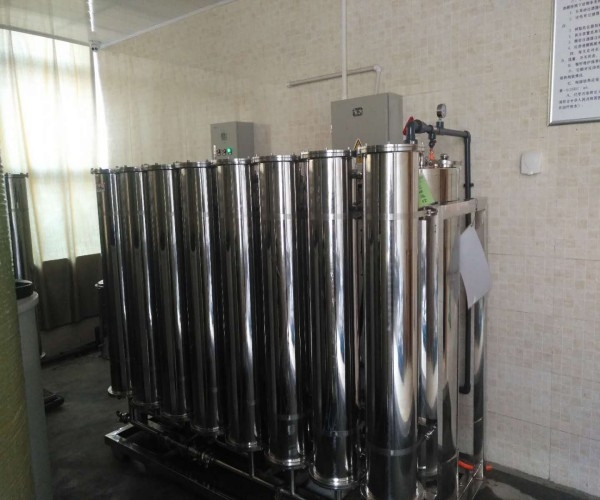
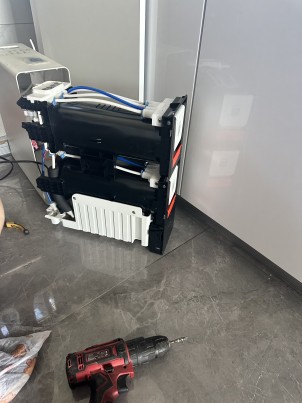
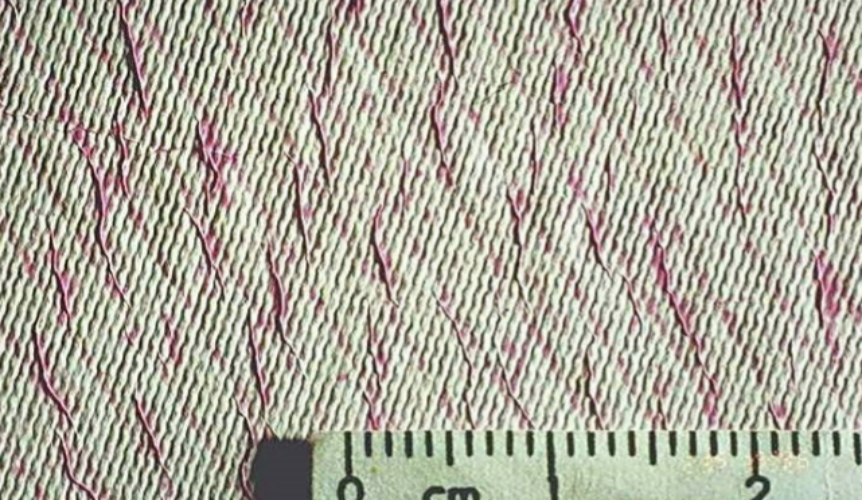
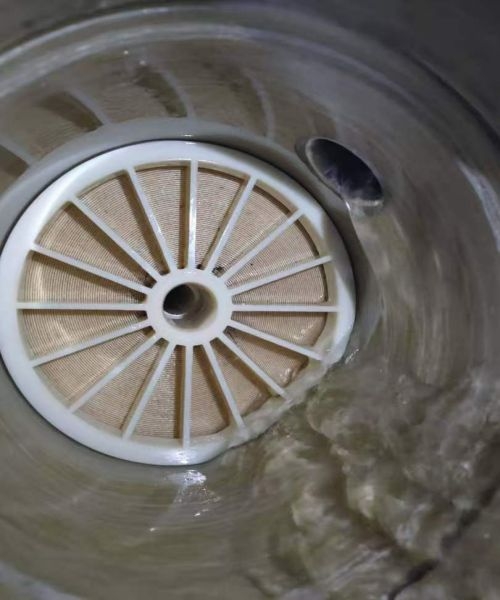
xbymcTake a look at these photos first.
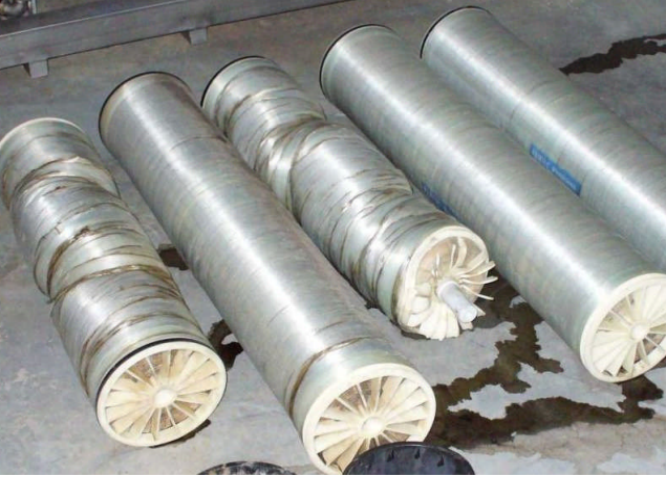
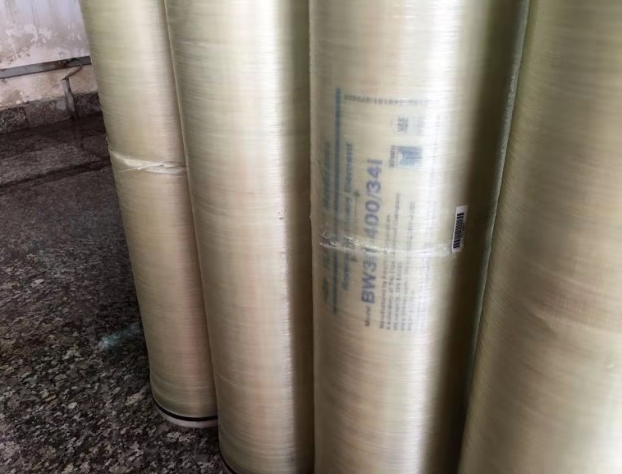
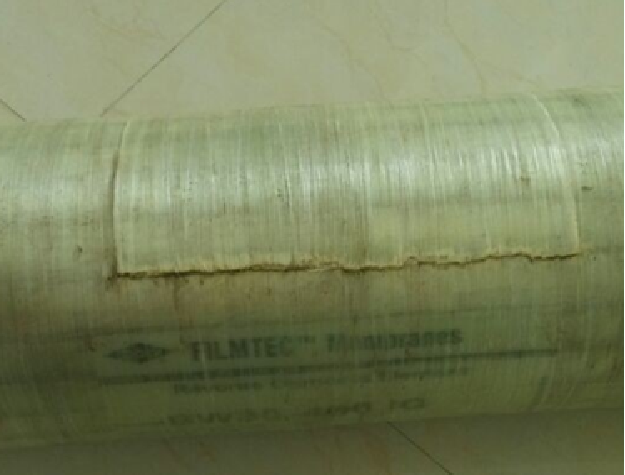
The RO membranes have suffered deformation and breakage. Once this issue occurs, the damaged reverse osmosis membranes can only be replaced with new ones. You have to locate the faulty running‑at‑risk membrane right away, otherwise it will keep contaminating other intact membranes.
Today we are mainly discussing what conditions can cause such severe deformation and breakage of RO membranes.
First, back‑pressure.
After the RO system shuts down, the pressure of feed water and concentrate water drops quickly. But pressure gets trapped inside the permeate pipeline. The permeate pressure pushes backward into the membrane from the product‑water port. The membrane sheets are rolled up layer by layer. Reverse pressure will stretch and tear the membrane roll, and bulge‑split the fiberglass housing.
We have published an article about back‑pressure before. Those who haven’t read it can check it out.
RO Membrane Backpressure: Causes, Damage and Prevention
Second, water hammer impact (instant high pressure).
When water pumps start or stop, or valves close rapidly, shock waves are generated instantly inside pipelines. The transient impact pressure far exceeds the maximum pressure tolerance of membrane elements, which directly cracks the fiberglass shell and displaces or breaks the inner membrane roll. Common causes include booster pumps without soft‑start function, fast‑closing solenoid valves and pipelines without check valves.
Third, excessive differential pressure leads to axial tearing of membrane roll (over‑limit operating differential pressure) .
Too‑high differential pressure between feed water and concentrate water creates huge thrust along the membrane surface, pushing the inner membrane roll toward the outlet end. Pulling force appears between the membrane roll and the center tube, cutting off membrane sheets and spacers. In serious cases, end caps on both sides of membrane elements will pop off. This usually happens under heavy scaling and fouling, or when flow rate goes far beyond the maximum concentrate flow of the membrane.
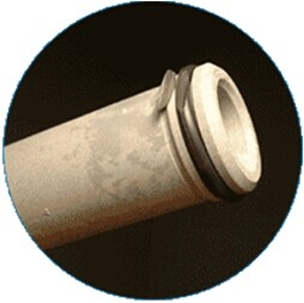
Fourth, breakage of center tube causes secondary damage to membrane roll.
Center tubes may break due to poor material quality or twisting force. Water hammer or back‑pressure snaps the center tube first, and then the whole membrane roll falls apart and cracks.
Fifth, long‑term over‑pressure operation (feed pressure beyond design limit).
If the feed water pressure inside membrane housing constantly surpasses the rated maximum working pressure of membrane elements (for example, 4.16 MPa for 8040 brackish‑water membranes), the fiberglass shell will expand under radial high pressure and produce circumferential or longitudinal cracks.
Sixth, oxidation degradation plus external‑force breakage (hidden factor) Residual chlorine, ozone and strong oxidants damage the polyamide membrane layer and greatly reduce the mechanical strength of membrane material. Even under normal working pressure, the membrane roll may get torn by water flow. Breakage is a late‑stage failure caused by oxidation.
We have also covered RO‑membrane oxidation in an earlier article. Feel free to check it out if you haven’t read it.
RO Membrane Oxidation: Causes, Symptoms and Fujiwara Test Identification
Seventh, freeze‑crack under low temperature When ambient temperature drops below 0℃, residual water trapped inside membranes freezes and expands in volume, bursting the membrane roll and outer shell.
Alright! We have finished nine articles about common failures during RO system operation recently. In fact, there are far more faults of this kind. We will sort out more valuable content step by step in the future. That’s all for today, see you next time!