 xbymc
xbymcHi, friend! How has your year been in 2026? No matter how much pressure you are under, remember to release it in time, or you may turn negative.
Actually, reverse osmosis membranes are just like people. If they keep running under high‑pressure conditions, they will get compacted, much like a sponge permanently squashed under heavy weight and never bounces back.
Once this occurs, we call this phenomenon RO membrane compaction.
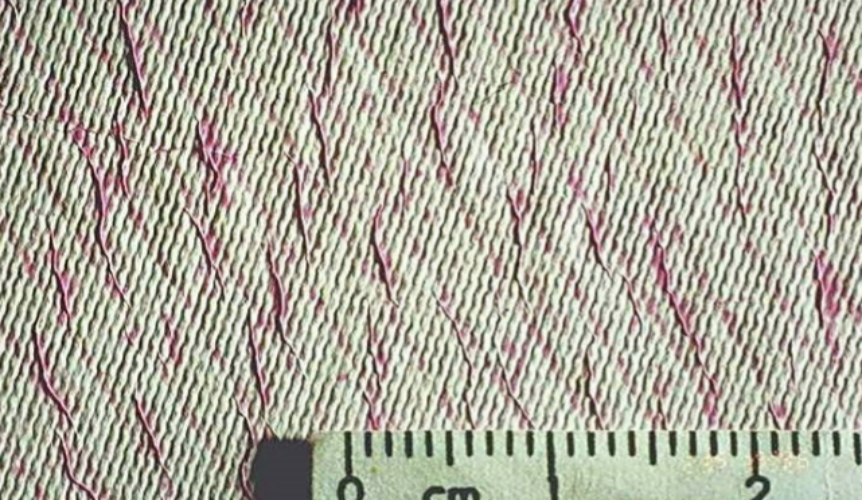
There are several common causes for compaction, and I have made a brief summary:
1. Long‑term over‑pressure operation: The feed water pressure constantly exceeds the rated limit of membrane elements, which ranks as the top cause.
2. Excessive feed‑water temperature: When the water temperature goes above 35℃, the membrane material softens and becomes more vulnerable to compaction under the same pressure.
3. Frequent water‑hammer shocks: Rapid pressure rise during startup, trapped air inside the system, or sharp valve switches create instant high‑pressure impacts on membrane sheets.
4. High recovery rate and excessive flux: Pushing up pressure to produce more purified water will speed up compaction and membrane ageing.
Once compaction happens, the membrane will suffer irreversible damage. Its water production drops while salt rejection rate rises instead.
Well, reverse osmosis membranes may look simple, yet countless troubles can pop up during operation. We hope more practitioners can share your stories of running water‑treatment systems, helping others avoid unnecessary detours. This is exactly why XBYMC was founded.