 xbymc
xbymcLet’s talk about RO membrane oxidation today.
Having worked with reverse osmosis membranes for many years, to a certain extent, oxidation can be said to be the biggest enemy of RO membranes. Simply put, once an RO membrane is oxidized, its performance will drop permanently, and oxidation damage is not covered under the membrane manufacturer’s warranty.
First, let’s look at the primary cause: excessive residual chlorine.
Tap water naturally contains residual chlorine, so activated carbon is usually used in pretreatment to adsorb chlorine, and sodium bisulfite, a reducing agent, is added at the same time. But once these measures fail or do not work, the membrane will be oxidized in a few minute.
The second oxidant is hydrogen peroxide.
We have a chemical plant customer in Chengdu, Sichuan, whose main feed water contains hydrogen peroxide. People may wonder why they still use RO systems knowing hydrogen peroxide can oxidize membranes. For them, reverse osmosis membranes are just consumable supplies. A membrane is considered qualified as long as it can run for more than 10 day. Besides, there are almost no anti‑oxidation RO products available on the market, so further improvement is needed in the future.
Third, hexavalent chromium, a heavy‑metal ion.
Hexavalent chromium has strong oxidizing property. It can directly damage the polyamide desalting layer without other oxidants, and the harm is irreversible.
Once the membrane gets oxidized, you will observe these typical symptoms:
1. Salt rejection drops sharply, and the permeate conductivity keeps rising.
2. Permeate flow increases instead of decreasing under the same operating pressure.
3. The differential pressure of membrane modules barely rises.
4. Salt rejection cannot be recovered after acid‑alkali cleaning.
If salt rejection fails to bounce back after cleaning, irreversible damage (oxidation or desalting‑layer breakdown) is highly suspected. By contrast, salt rejection can recover after cleaning for scaling and colloidal fouling.
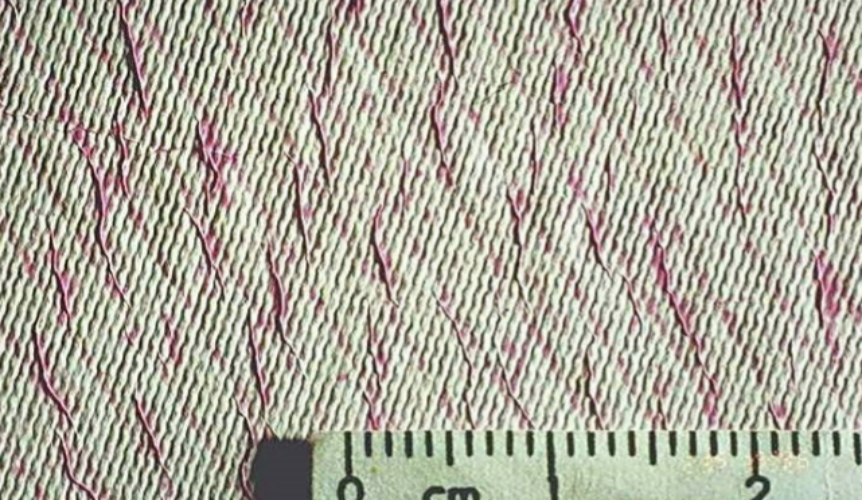
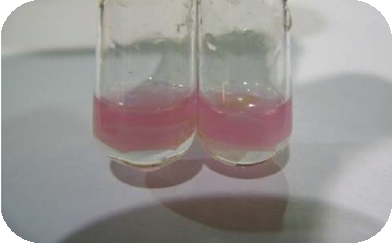
If you want to confirm oxidation, the most reliable way is to carry out the Fujiwara test. Since this test uses pyridine, a toxic and highly volatile chemical, you usually need to send water samples and a small piece of membrane coupon to a third‑party water‑testing lab for Fujiwara analysis.
1. Cut a small piece of membrane sheet and place it in a test tube.
2. Add 20% sodium hydroxide solution and pyridine at a volume ratio of 1:2.
3. Heat the mixture in a 90℃ water bath for 1 minute.
• Pink‑to‑red solution = positive result, which means the membrane has been oxidized by chlorine.
Alright, that’s all for today’s sharing on membrane oxidation. If you have any other questions about water treatment, welcome to contact XBYMC!