 xbymc
xbymcToday we’re diving into a long-standing yet highly instructive project case.Before we kick off, let’s talk about the core purpose behind building the XBYMC website: we aim to help industry practitioners avoid unnecessary detours. We want to share decades of accumulated experience not only within China but also with global audiences, enabling everyone to maximize water resource utilization and protect our planet.
Now, let’s get to today’s key topic. We selected this case because it involves an extremely large quantity of reverse osmosis membranes.
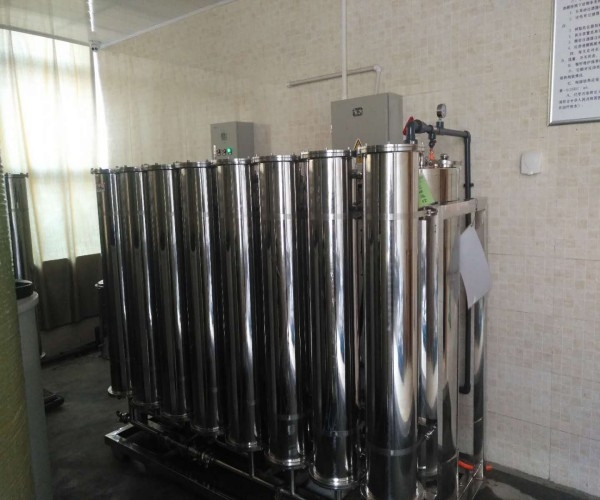
The client’s facility is located in Heilongjiang, the northernmost province of China. A total of 900 pieces of BW30FR-400/34 RO membranes were commissioned onsite in November 2018 across three complete RO systems, which operated continuously until July 2020. The client later reported a steady, continuous decline in salt rejection across all three reverse osmosis lines.
Prior to contacting our team, the client reached out to the original EPC contractor, who claimed the performance drop stemmed from improper operational practices on the client’s side and refused to take any liability for the membrane issue.
Given the massive volume of affected membranes, the client commissioned us to conduct third-party testing to identify the root cause of the membrane failure.
Upon arriving at the site, we first reviewed the full operational log data as shown below:

The recorded salt rejection rate stood at only 88.8% based on operational readings.
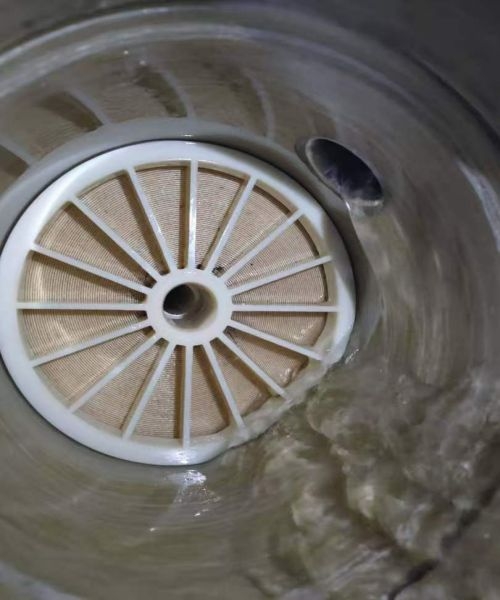
Next, we carried out a full system inspection covering the entire water treatment flow from pre-treatment to terminal polishing units:Groundwater + Condensate → Manganese Sand Filter → Ultrafiltration → Security Cartridge Filter → 1st-stage RO → 2nd-stage RO → Mixed Bed Ion Exchanger → Demineralized Water TankNo obvious abnormal conditions were detected during this round of inspection.
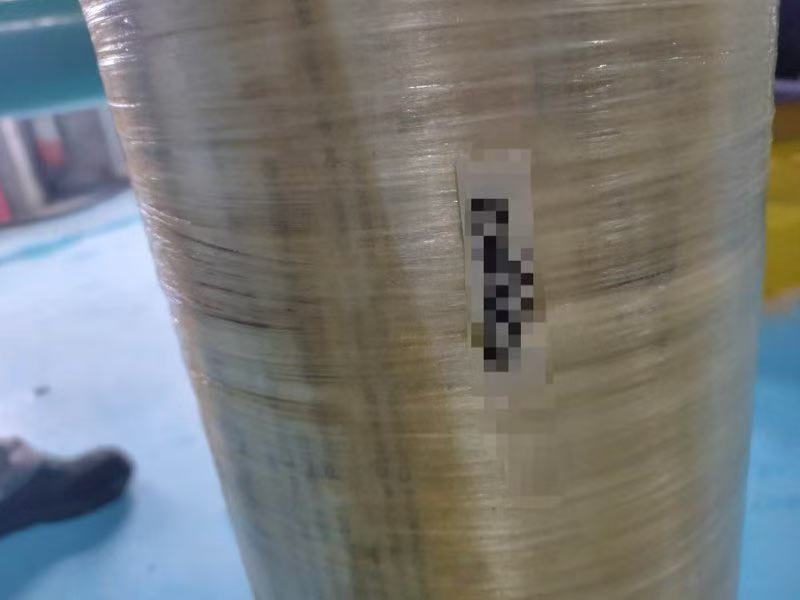
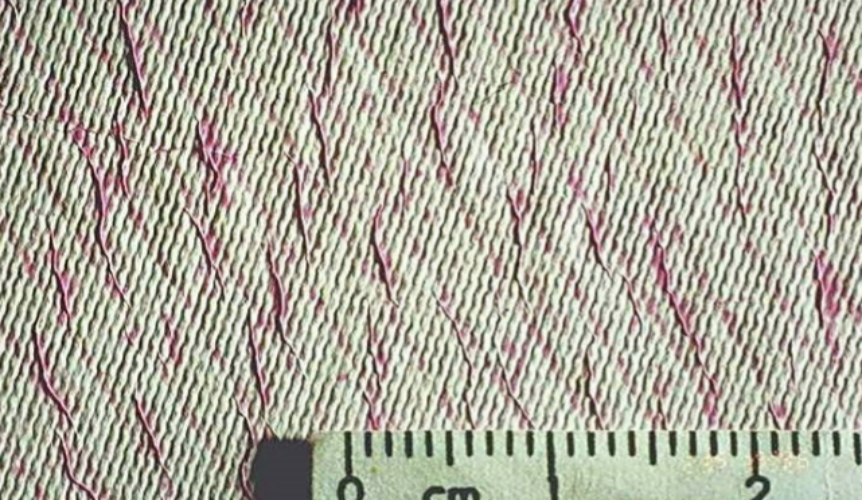
Finally, we analyzed the complex feed water composition and flagged a critical risk: when dissolved oxygen, metal ions (Cu, Co, Mn, etc.), sodium bisulfite and high-concentration chloride ions coexist in the feed water, polyamide RO membranes can suffer chlorine oxidation damage — even if free chlorine is not originally present in the source water, chlorine compounds can form in-situ inside the system.
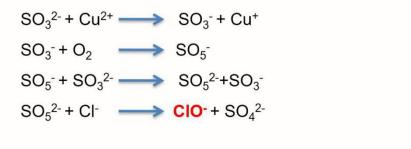
Oxidation damage to reverse osmosis membranes is irreversible. Once oxidation occurs, membrane manufacturers will reject all quality compensation claims.
The core takeaway from today’s case: if your RO membranes suffer oxidation damage, you must pinpoint the real oxidation source first. Otherwise, the same failure will recur even after you replace the entire batch with brand-new membranes.
That wraps up today’s sharing. Feel free to visit XBYMC anytime to discuss water treatment solutions and troubleshoot your operational challenges!