 xbymc
xbymcToday let’s talk about a back‑pressure issue commonly encountered in reverse osmosis systems.
Once back‑pressure occurs, the permeate flow rate will not change much, but the salt rejection rate drops rapidly and the conductivity of product water rises.
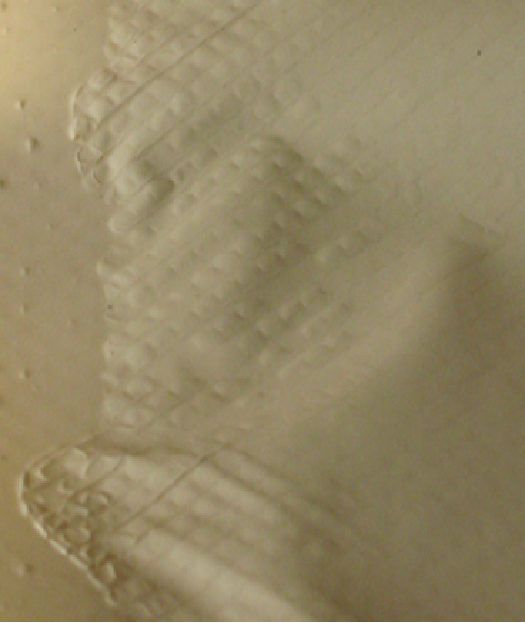
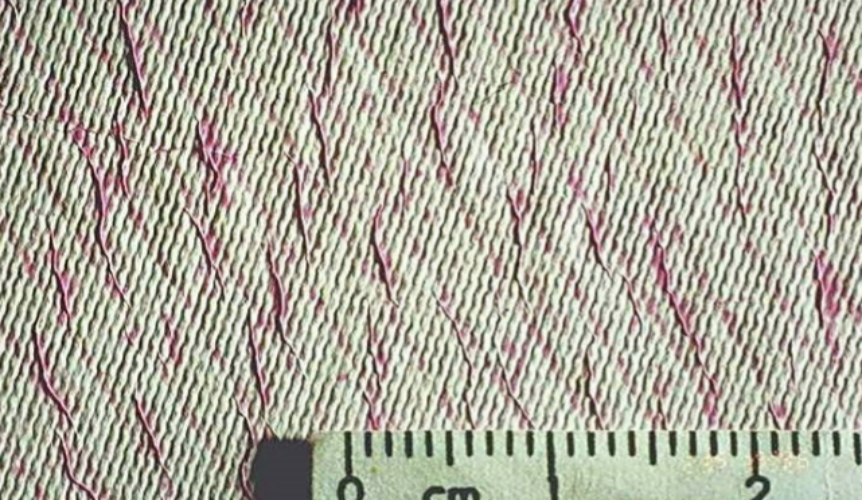
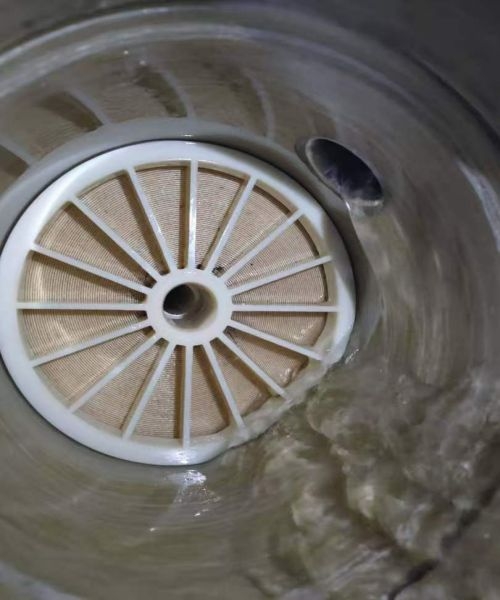
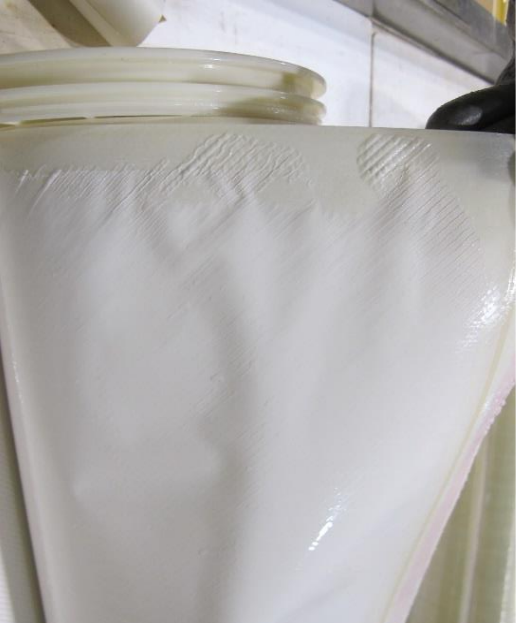
When you take the membrane out for inspection, you will find blistering, delamination and peeling along the glue line at the edge of the membrane sheet, which is the typical damage mark of back‑pressure. Usually, the last stage membranes get damaged first.
Under normal operation of an RO system, high‑pressure feed water (10‑16 bar) passes through the membrane and flows into the low‑pressure permeate side. The flow direction is: feed water → membrane → permeate central tube.
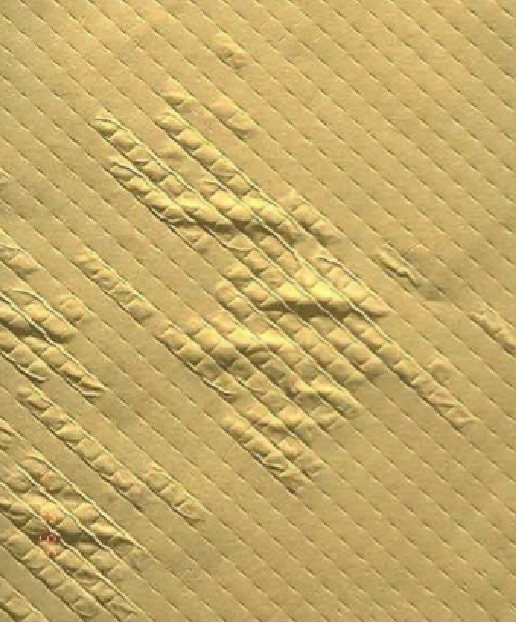
If the pressure on the permeate side becomes higher instead, pressure will push backward into the membrane from the permeate pipe, this situation is called back‑pressure.
The backward pressure will pry open the glue seal and cause the membrane sheet to blister and delaminate. Such damage is irreversible, the membrane will be scrapped directly and cannot be recovered by cleaning.
For site operators, once back‑pressure happens, it is critical to find out its root cause quickly. Otherwise, even if you replace with brand‑new membranes, they will still be damaged.
The most‑common causes of back‑pressure on‑site can be checked from the following aspects:
1. Wrong shutdown operation: Closing the permeate valve before pressure relief and then stopping the high‑pressure pump. The feed‑water pressure drops suddenly, and the high pressure trapped in the permeate pipe pushes backward into the membrane, this is the most frequent accident.
2. Over‑height permeate pipeline: If the permeate pipe rises more than 3 meters vertically, the static pressure from the elevated water tank will create back‑pressure.
3. Multiple RO units share one common permeate header: When one unit shuts down, permeate water from other running units may flow back into the offline equipment through the main pipe if the check valve fails. This problem is very hard to detect.
4. Permeate from 1‑stage RO directly feeds the booster pump of 2‑stage RO: Pressure from the second‑stage pump may feedback to the permeate side of first‑stage membranes.
5. Blocked permeate pipeline or wrongly‑closed valve: Permeate water cannot be drained and pressure builds up.
To prevent back‑pressure, three protection measures are usually installed in the RO system:
First: Install high‑quality check valve (non‑return valve) at the permeate outlet, to stop back‑flow towards membrane elements.
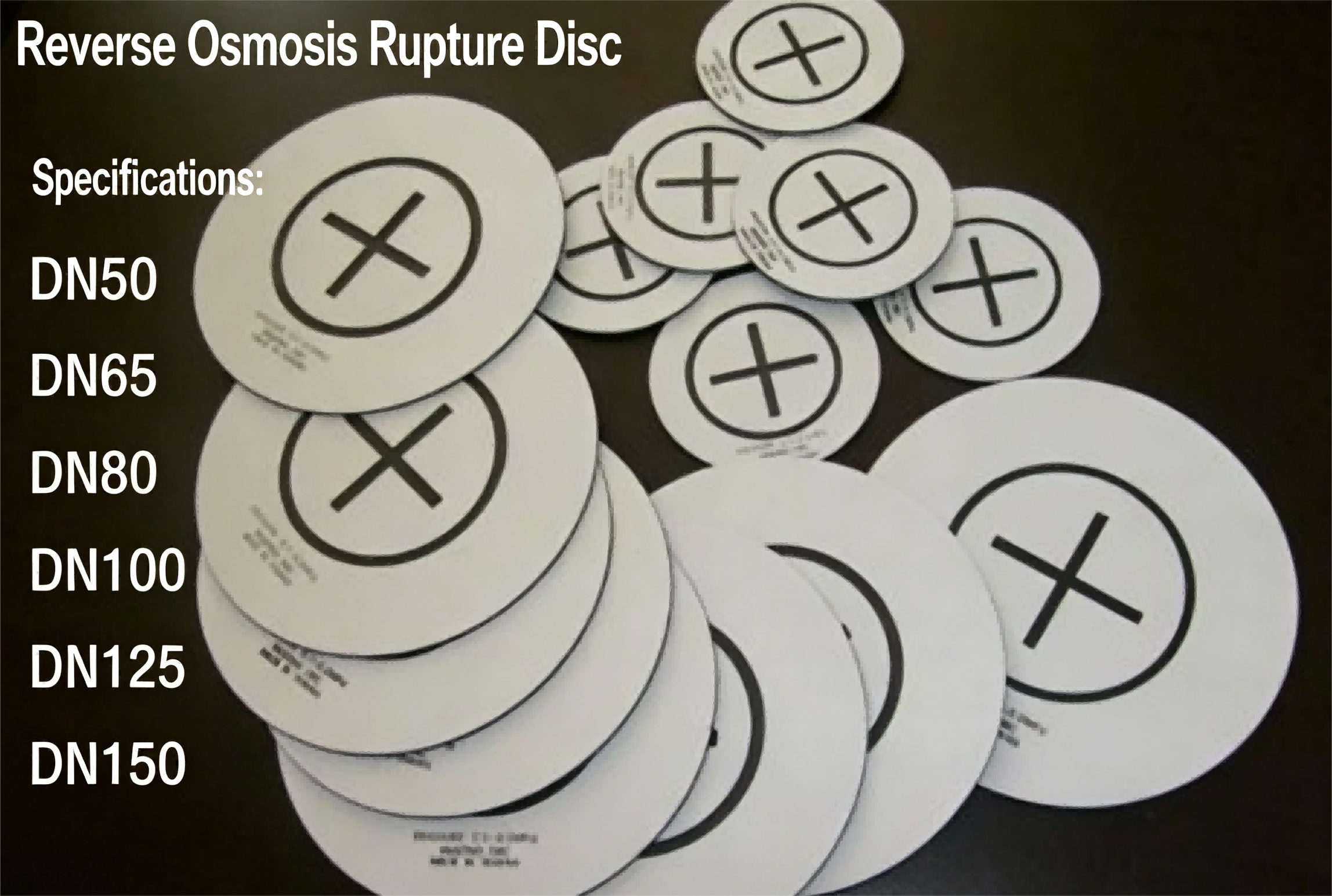
Second: Fit rupture disc (pressure relief disc) on permeate side. It will release pressure automatically once back‑pressure exceeds 0.025‑0.03MPa, protecting membranes at the cost of the rupture disc.
Third: Follow strict start‑up and shutdown procedures
Start‑up: Fully open permeate valve and concentrate valve → then start the high‑pressure pump
Shutdown: Open the permeate pressure‑relief bypass first → then stop the high‑pressure pump. Never close the permeate valve ahead of time.
Alright, that’s all for today’s sharing on back‑pressure. See you next time!