 xbymc
xbymcToday we are going to talk about a topic of physical scratch on reverse osmosis membranes.
We do not consider the situation that the membrane is already scratched when leaving the factory. Instead, we will look at possible scratch‑causing scenarios from two stages: installation‑commissioning and system operation.
First let’s check the installation and commissioning stage:
1. Burrs inside the pressure vessel
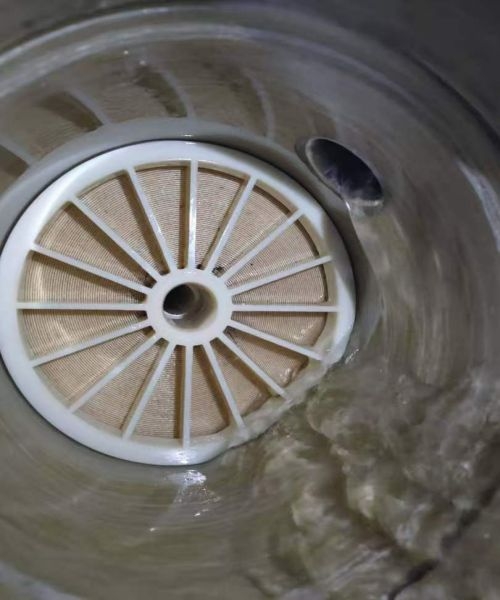
Welding slag, bumps and cracks inside membrane housing may scratch the outer membrane sheet when you push the RO element into it.
2. Collision and dragging during membrane handling
Dragging elements on the ground, sharp‑angle impact and dropping will easily tear and scratch the membrane sheets on its end face.
3. Using metal tools inside membrane housing during loading
Screwdrivers, crowbars and other tools used to pry membrane elements may poke and hurt the front‑end membrane sheets directly.
These seemingly insignificant links may make your reverse osmosis membranes start work with hidden disease.
Then we move on to the system‑operation period:
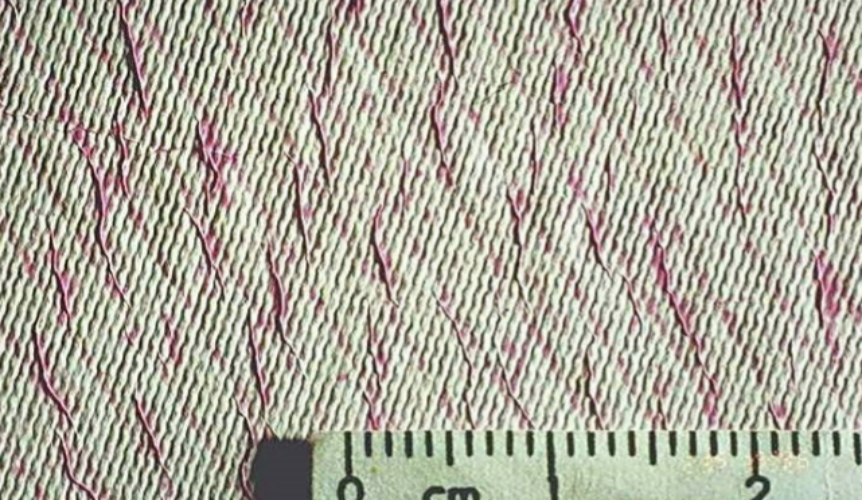
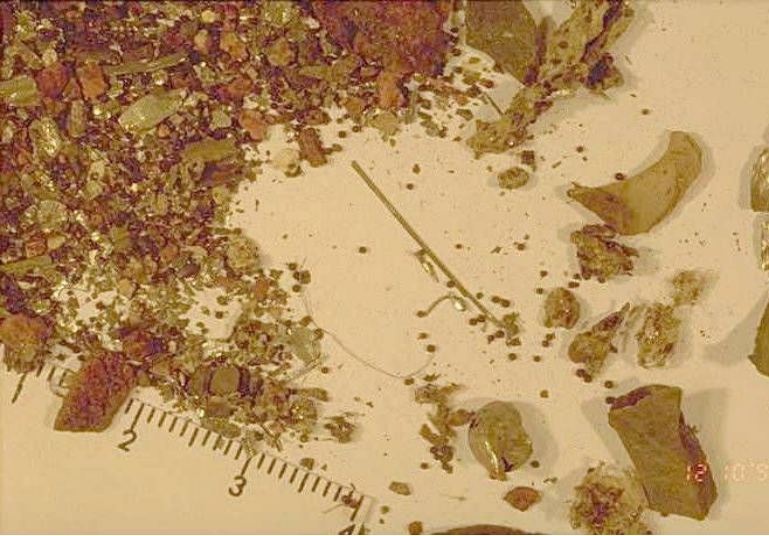
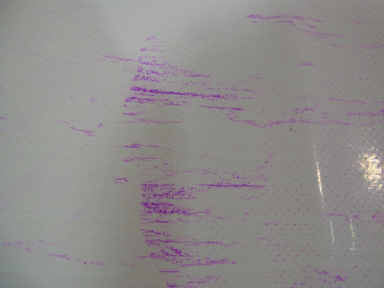
The last protection line of reverse osmosis membranes is the security filter, whose built‑in filter cartridge usually has a filtration precision of 5 micron. Once the filter cartridge is damaged or loses efficacy, hard particles such as quartz‑sand grains, broken carbon pieces, rust, welding slag, tiny stones, plastic fragments and metal scraps will flow under high pressure and high flow speed. Driven by feed spacer, those hard particles rub back and forth on membrane surface and form long strip scratches, which cause physical damage to RO membranes.
Once physical scratch occurs on reverse osmosis membrane, it will bring irreversible harm to the element. You will often see the produced‑water flow increase while the salt rejection rate drops sharply.
Okay, our sharing about physical scratch of reverse osmosis membranes ends here today, and we will chat about new topics next time!