 xbymc
xbymcHello everyone, I am Monitor.
Today I will share one pharmaceutical‑factory case we finished in 2023, and I hope it can give you some ideas and help on how your reverse osmosis membrane system works.
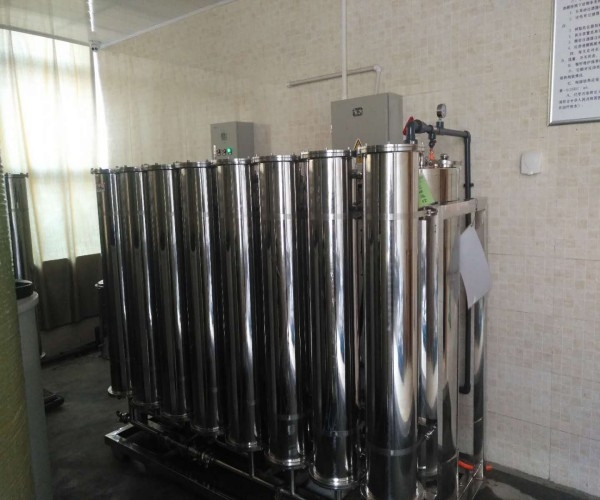
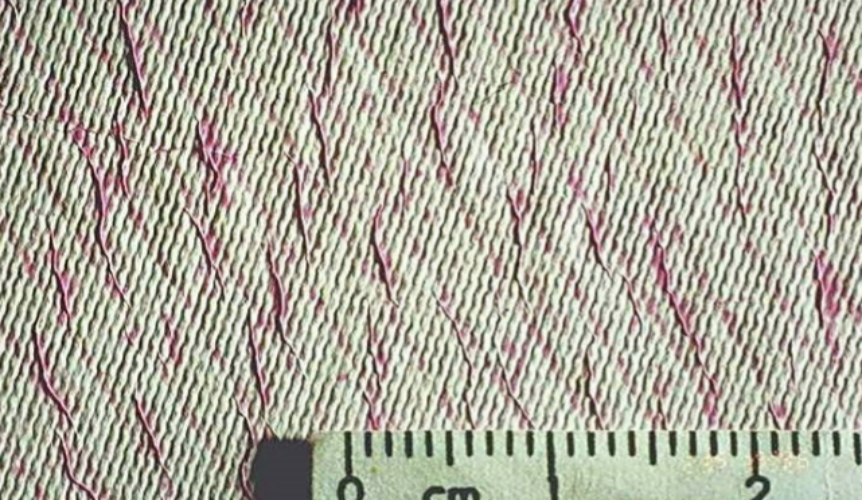
Our client bought twelve pieces of Dow heat sanitizable ro membrane, model HSRO‑390‑FF, in March 2023. The on‑site workers could not finish installation and commissioning by themselves, so I went to the site with one technician to give installation guidance. When site staff took out the old membranes, we saw thick black tiny particles all over the membrane surface.
After we checked the situation, we learned that activated carbon leaked from the pre‑treatment unit.
We soon told the site workers and the company buyer how serious this trouble was.
If activated carbon kept leaking, the new‑installed reverse osmosis membranes would get blocked even after we fitted them.
The client told us not to worry and asked us to install the new membranes anyway.
When May came, the site worker contacted us. Their water production dropped from 6 tons per hour to 4.5 tons per hour, and the inlet‑membrane pressure gave an alarm. They asked our company to send workers to fix the problem right away.
Our staff checked the working condition on‑site and got these findings.
First, we weighed the membrane elements. One membrane weighed 20.75 kilograms and another weighed 19.25 kilograms.
A normal dry membrane weighs 12.78 kilograms and a normal wet membrane weighs 14.5 kilograms. When we compared these numbers, we knew the reverse osmosis membranes were blocked.
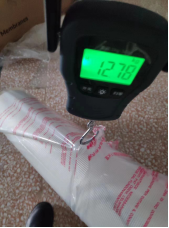
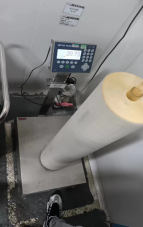
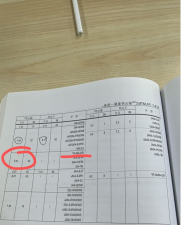
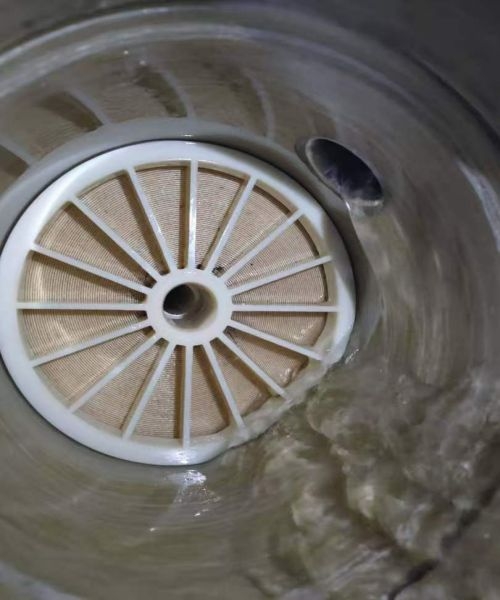
Second, we found out what caused the blockage.When we took membranes out, black particles could be clearly seen with bare eyes on both the membrane shell end cover and the membrane element.
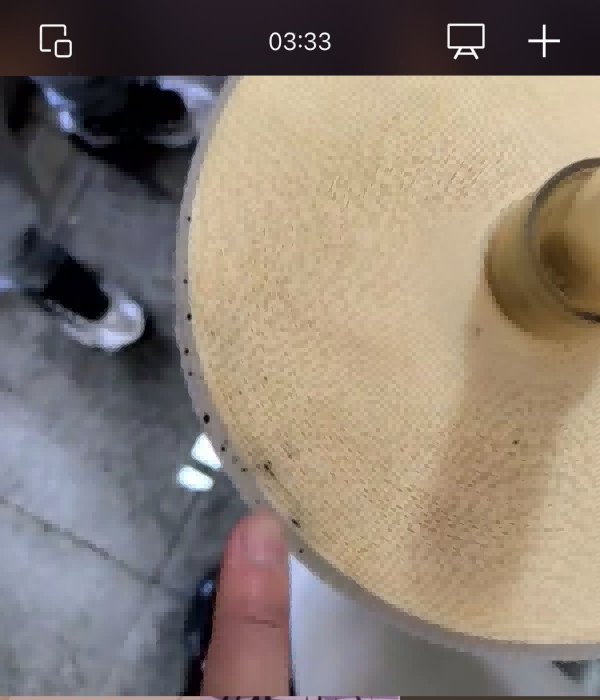
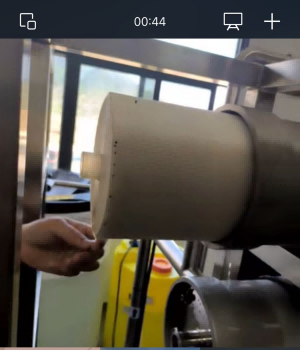
A reverse osmosis membrane has a filtering precision of 0.1 nanometer. Nothing visible to human eyes should flow into the membrane. Once such particles get inside, the membrane will be heavily blocked. Under the high‑pressure pump, activated‑carbon pieces break into small bits and sink deep into the membrane body. This explains why the membrane weight went up a lot.
Third, here are our present‑day solutions.
We must fix the activated‑carbon filter leakage inside the pre‑treatment system first. Workers need to open the carbon filter tank and check its water distributor, partition boards and filter nozzles. They need to find the leakage spot or replace the filter material. New membranes will still fail if we skip this step.
After that, carry out chemical cleaning for the reverse osmosis membranes. Our team can offer online remote technical support.
Once solid particles go deep into the membrane material, water yield may drop permanently. We can only bring back part of the membrane performance.
I have worked on water‑treatment systems for many years. Most system troubles are not created by reverse osmosis membranes themselves. Small mistakes from pre‑treatment often break the whole system.
I will sort out more typical cases and share them later. Feel free to reach out and talk with XBYMC anytime.