 xbymc
xbymcWhen I was little, my family cooked food in an iron‑made pot, which could supply our bodies with helpful iron. As I grew older, my teacher told me that the iron released from the pot existed as soluble ferrous ions (Fe²⁺). The removal rate of these dissolved iron ions by reverse‑osmosis membranes generally ranges from 90 percent to 96 percent.
Iron is, however, a general term for several forms. We also have ferric iron, which mainly comes in three types.
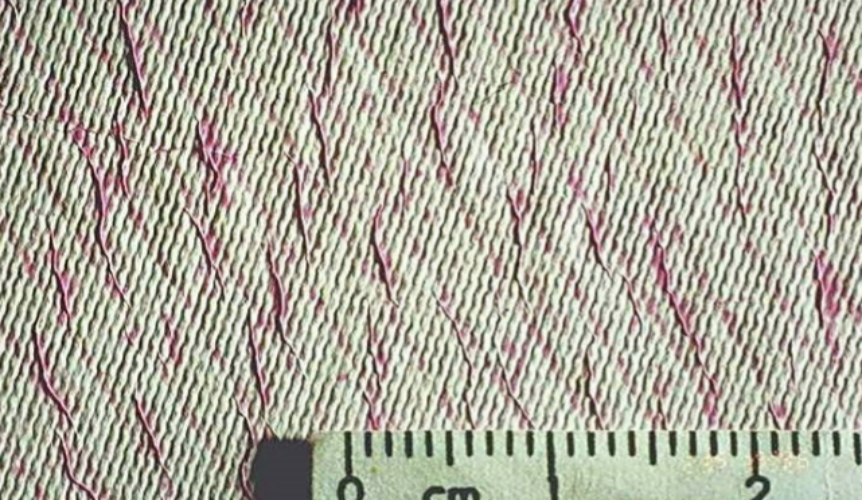
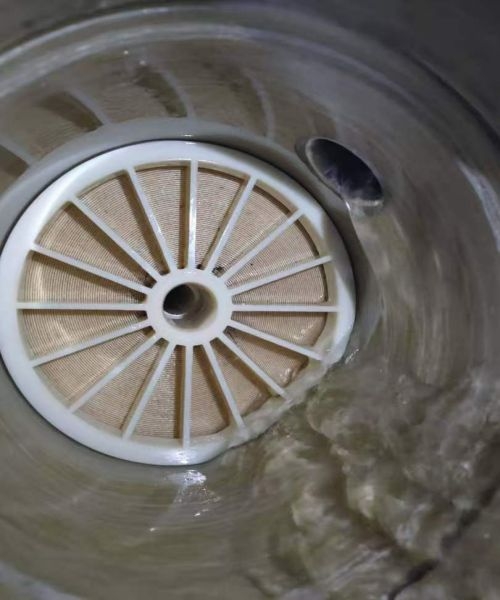
First, suspended rust particles. An RO membrane can block them, yet these particles will clog the membrane.
Second, ferric‑hydroxide colloid. Its removal rate stays unstable, and the colloid easily sticks to the membrane surface and creates tough deposits.
Third, organic‑complexed ferric iron. Like ferrous iron, this form stays dissolved in water. An RO membrane can hardly filter it out completely, so much of it passes right through the membrane.
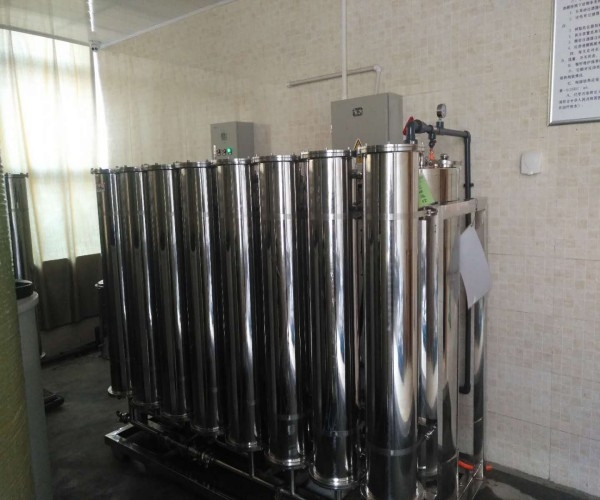
These three kinds of ferric iron will cause membrane blockage soon after running through reverse‑osmosis equipment. Here is the proper treatment procedure. Expose the raw‑water supply to air to oxidize ferrous iron in advance. Next, run the water through a manganese‑sand filter to get rid of rust. A security filter then catches leftover colloidal pollutants. Only after these steps should water flow into the reverse‑osmosis membrane.
Well, that is all for our discussion on iron removal with reverse‑osmosis membranes. See you next time.