 xbymc
xbymcLet’s break this topic down into two‑part scenarios.
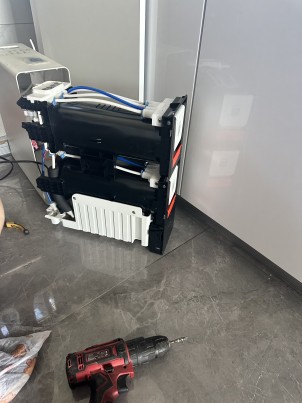
First, let’s talk about household RO water purifiers.
Most home‑use RO machines have a waste‑to‑clean‑water ratio of around three to one.
For my daily water‑using needs here in Shanghai, I only run RO‑filtered water for cooking and boiling drinks. My mobile app records that I consume 3 tons of RO‑produced water over one year.
This means 9 tons of waste‑water gets made in the process. Altogether I need 12 tons of tap‑water just to get 3 tons of usable purified water.
This is only an estimated figure. Shanghai enjoys fairly nice‑quality tap water, with its inlet electrical conductivity sitting near 150. Conditions change in other parts of the world, so numbers will differ. Simply put, home‑grade RO equipment reaches roughly 25 % water‑recovery rate, which feels pretty wasteful.
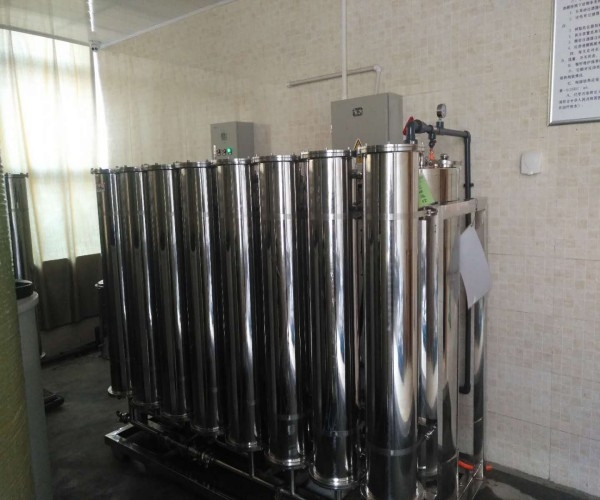
Now on to industrial‑grade RO systems.
Basically, one single reverse‑osmosis membrane works with low recovery no matter for home or factory equipment, usually about 15 percent. But industrial facilities process huge water flow, three‑to‑five tons each hour at the very least, and large‑scale plants handle hundreds of tons hourly.
Low water‑recovery rates would make these systems impractical for heavy‑duty work. That is why industrial units run under stronger operating pressure and contain multiple filtering stages to raise recovery efficiency. Most industrial set‑ups hit between 70 % and 90 % recovery, which is common in real‑world working conditions.
Alright, that wraps‑up our discussion on waste‑water from reverse‑osmosis membranes. Catch you next time.