 xbymc
xbymcChlorine is a general term. The municipal tap water we drink at home generally contains free residual chlorine, tiny amounts of combined chlorine, and chloride ions.
First, free residual chlorine.
It is artificially added by water plants in disinfectants such as sodium hypochlorite and liquid chlorine. Its main purpose is to kill germs and maintain disinfection protection throughout the water pipe network. It is not a natural component of raw water in high concentrations.
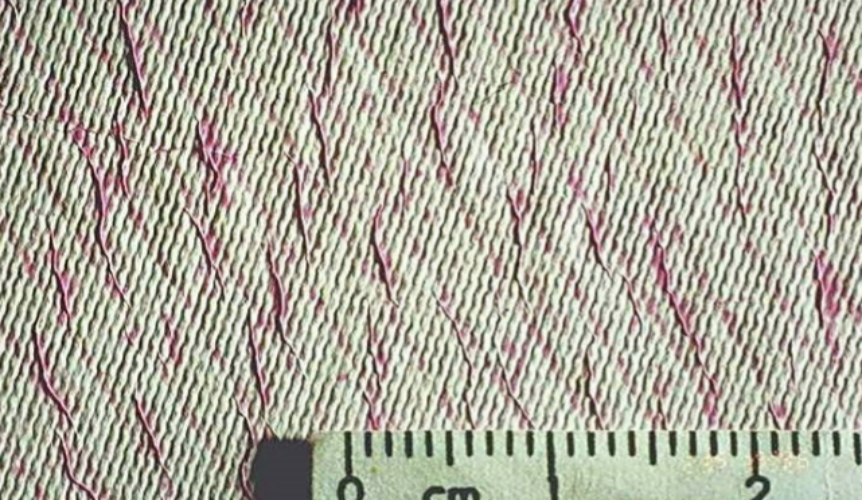
The RO membrane cannot remove free residual chlorine. In fact, free chlorine is a major threat to RO membranes. Excess free chlorine oxidizes the membrane and causes permanent, irreversible damage.
Next, combined chlorine (chloramine).
It is also not a natural substance in raw water. It forms when disinfectants react with ammonia nitrogen and organic matter in the water.
The RO membrane cannot remove combined chlorine effectively either. Without pre-treatment with catalytic carbon filters or reducing agents, combined chlorine will also slowly oxidize and damage the RO membrane over time.
Then we have chloride ions.
Chloride ions have no oxidizing properties and will not damage the RO membrane, which makes them completely different from the previous two substances. The reverse osmosis membrane can remove most chloride ions (around 99%).
To sum up: reverse osmosis membranes work very well for removing chloride ions. However, they cannot remove free residual chlorine or combined chlorine effectively. If these two oxidizing substances are not filtered out first, they will damage the RO membrane.
That’s all for today. Shanghai has entered the Sanfu period, the hottest time of the whole year. What is the temperature where you live? Feel free to leave your location and temperature in the comments!