 xbymc
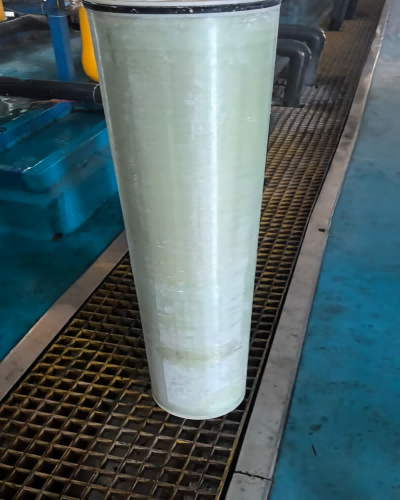
xbymcHey guys! Let’s talk about a case we handled at a large power plant in Xinjiang, China.The project uses 720 pieces of our anti-fouling RO membranes, with a design permeate flow of 600 m³/h.
The system went live in January last year, but just 6 months later, the customer called in with a problem: both the water production and salt rejection had dropped significantly.
As usual, when our team got on-site, we did a full system check and collected all the operating data.
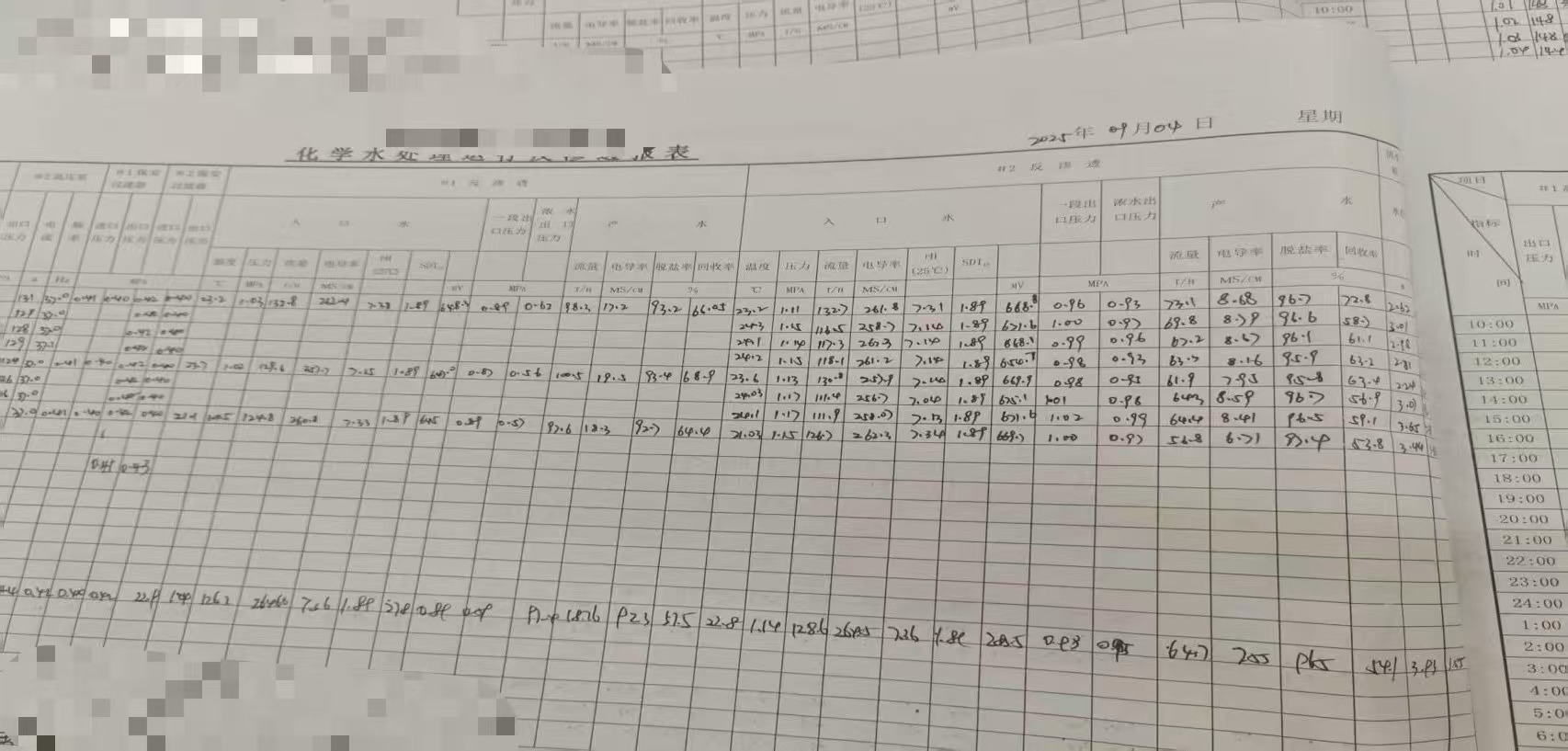
We also learned the customer had already run a chemical cleaning themselves—but during the process, the acid was being consumed extremely fast, and a thick layer of scale ended up settling at the bottom of the cleaning tank.
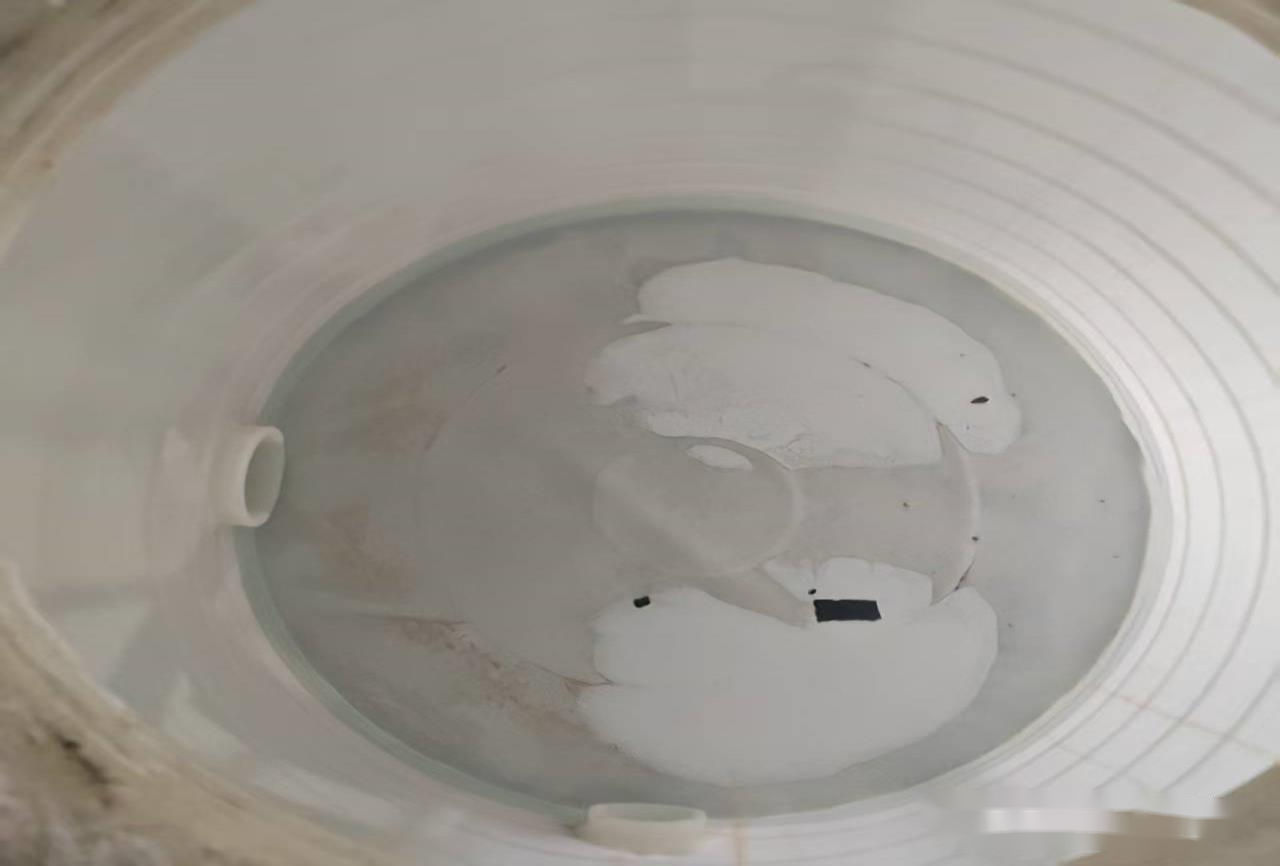
For reference, other power plants using the same membrane type (even with worse feed water quality, like reclaimed water with conductivity over 2000 µS/cm) only need to clean once a year. This project’s feed water was tap water, with conductivity just 300–380 µS/cm—super clean water, yet it still got hit with such severe scaling.
We went step-by-step through the entire process flow: Tap water → Multimedia filter → Primary RO system → Cation exchanger → Anion exchanger → Mixed bed.Eventually, we zeroed in on the antiscalant issue. We did a full water quality analysis for the customer, formulated a custom antiscalant solution, and that finally fixed the problem!
Alright, that’s it for today’s topic on dropping salt rejection.At XBYMC, we’re all about building a community where water treatment professionals from around the world can share ideas and troubleshoot together. Drop a comment below—we’d love to hear from you! Catch you next time for another episode of “Why Did You Change?”.